Most book projects don’t fail at printing. They fail before the file ever reaches the press.
Wrong page size. Margins too tight. Paper choice that blows out shipping costs. Or a proof that gets rushed and ends up costing thousands to fix later.
If you’re planning book printing in Australia, especially at scale, the process needs to be handled properly from the start. Here’s how it actually works, step by step.
Getting your manuscript print ready
A Word document isn’t a print file. That’s where most issues begin.
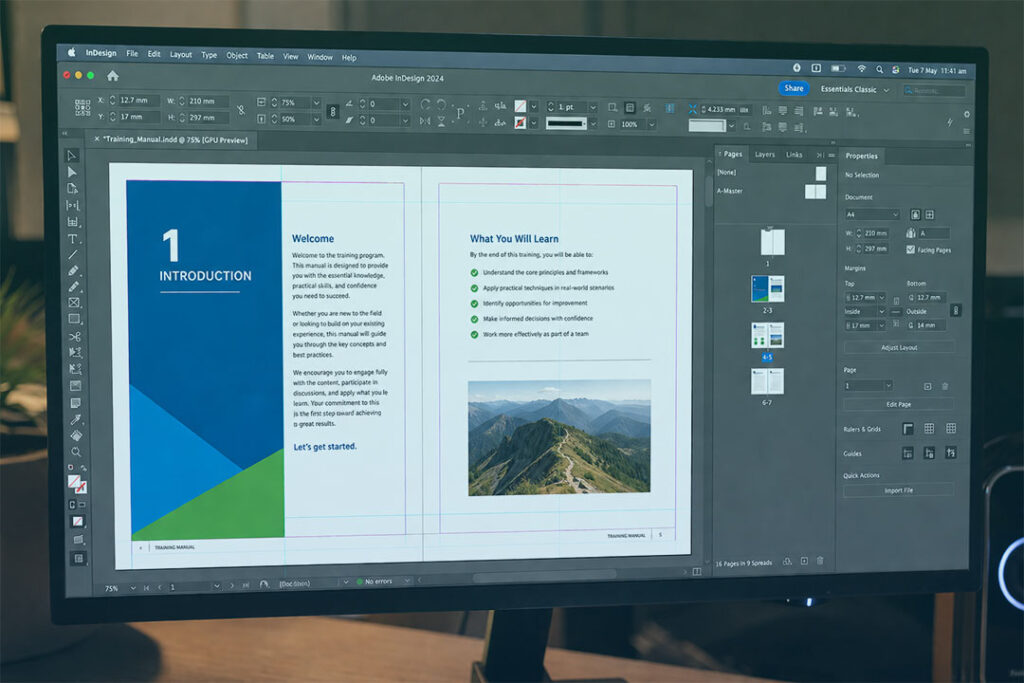
Your manuscript needs to be set up to the correct trim size. That might be A5, 210 x 210mm, or something custom depending on your product. Margins need to allow for binding. Bleed needs to be added if images run to the edge.
For example, a 300 page book with tight inner margins can lose 5 to 8mm into the spine once bound. That’s enough to make text feel cramped or unreadable.
A proper setup avoids that.
This is also where a good book printer in Australia will step in early. File checks, adjustments, and advice before anything goes to print. It’s a simple step that prevents expensive mistakes. If you’re unsure, it’s worth reviewing the full process outlined in this complete guide to bulk book printing in Australia.
Design and layout that actually works
This is where your book either looks professional or looks cheap.
Font choice matters, but so does spacing. Line height, margins, paragraph breaks. These are the things most people don’t think about, but they’re the first thing a reader notices subconsciously.
Take two books with the same content. One has tight spacing and inconsistent headings. The other is clean, balanced, and easy to scan. One feels like a draft. The other feels like a finished product.
If you’re printing for business use, like training manuals or corporate reports, layout becomes even more important. Clear headings, consistent branding, and logical structure all affect how the book is used.
Most clients don’t come in with perfect files. That’s normal. A book printing company in Australia should be able to help shape the layout so it works in the real world.
Paper, binding, and finish choices
This is where cost and quality meet.
Paper weight changes everything. A 100gsm stock is common for large bulk runs. It keeps costs and shipping weight under control. Move to 120gsm or 150gsm and the book feels more premium, but the cost per unit climbs quickly, especially on a 200 or 300 page book.
Binding is just as important.
Perfect binding is standard for most softcover books. It works well for anything from 80 to 400 pages. Saddle stitch is only suitable for thinner booklets. Hardcover, also called casebound, is where you start seeing higher value products. Think retail books, photography books, or anything going into stores. If you’re deciding between formats, this breakdown on hardcover vs paperback book printing options is useful.
Then you’ve got cover finishes. Matte is popular for a clean, modern look. Gloss gives more colour punch. Spot UV or embossing adds a premium feel, but also adds cost.
For example, a client printing 10,000 books for Amazon will usually prioritise durability and consistency over fancy finishes. A smaller run of 500 premium books might go the other way.
There’s always a trade-off. The key is choosing based on how the book will be used, not just how it looks on screen.
Proofing before you commit to a full run
This step gets rushed more than it should.
Before printing 5,000 or 20,000 copies, you’ll receive a proof. Sometimes digital, sometimes physical.
This is where you check everything. Text alignment. Image quality. Colours. Page order.
One missed issue here can cost thousands later.
A common example is colour. What looks bright on screen can print darker on paper. Without checking a proof, you don’t see that until the full run arrives.
A proper review here saves money. It’s that simple.
Printing at scale
Once approved, the job moves into production.
For smaller runs, digital printing is often used. It’s flexible and quick. For larger quantities, offset printing becomes more cost effective. The setup takes longer, but the cost per unit drops significantly as volume increases.
This is where bulk book printing in Australia starts to make financial sense. You can see how volume impacts pricing in more detail in this guide on how bulk book printing reduces cost per unit.
If you’re printing 5,000 or 10,000 copies, the difference between digital and offset can be several dollars per unit. Multiply that across the full run and it adds up fast.
Printing locally also reduces risk. No long shipping delays. No import issues. No guessing on timelines.
That’s why many businesses, including international companies, choose book printing in Australia when targeting the local market. It gives them control over quality and delivery. For global distribution strategies, see how businesses handle printing books in Australia for international distribution.
Packing and delivery
Printing is only half the job. Getting the books where they need to go is the other half.
Some clients want delivery to their office. Others need stock sent directly to warehouses or fulfilment centres.
For example, a client printing 20,000 books for online sales might have them shipped straight to a Sydney warehouse. From there, orders are packed and sent to customers across the country.
Packaging matters here. Books need to arrive in good condition. Damaged stock means lost money. You can review general packaging and shipping standards via Australia Post business shipping guidelines.
A reliable book printing company in Australia will handle this properly. Not just printing, but the logistics that come after.
Where projects usually go wrong
It’s rarely the machines.
Most issues come from rushed decisions early on. Files sent without proper setup. Paper choices made without understanding weight and cost. Proofs approved too quickly.
A client orders 8,000 books and selects a heavier paper stock. That increases production weight and cost, and it’s all factored into the quote upfront.
The job itself runs perfectly. The only difference comes down to that early specification choice.
These are avoidable problems.
Having someone manage the job from start to finish makes a big difference. One point of contact. Clear advice. No guesswork. If you want to understand how Mint approaches this, you can read more about our difference.
Bringing it all together
From manuscript to finished book, every step affects the final result.
If you’re planning book printing in Australia, especially for larger runs, the process needs to be handled with care. The right setup saves money. The right materials improve quality. The right advice avoids problems before they happen.If you’re ready to move forward, Mint Printing Australia can guide you through the entire process. From file setup and design through to bulk production and delivery, you’ll deal with a real person who understands how these jobs work. Send through your manuscript or project details and get a quote for your next print run.