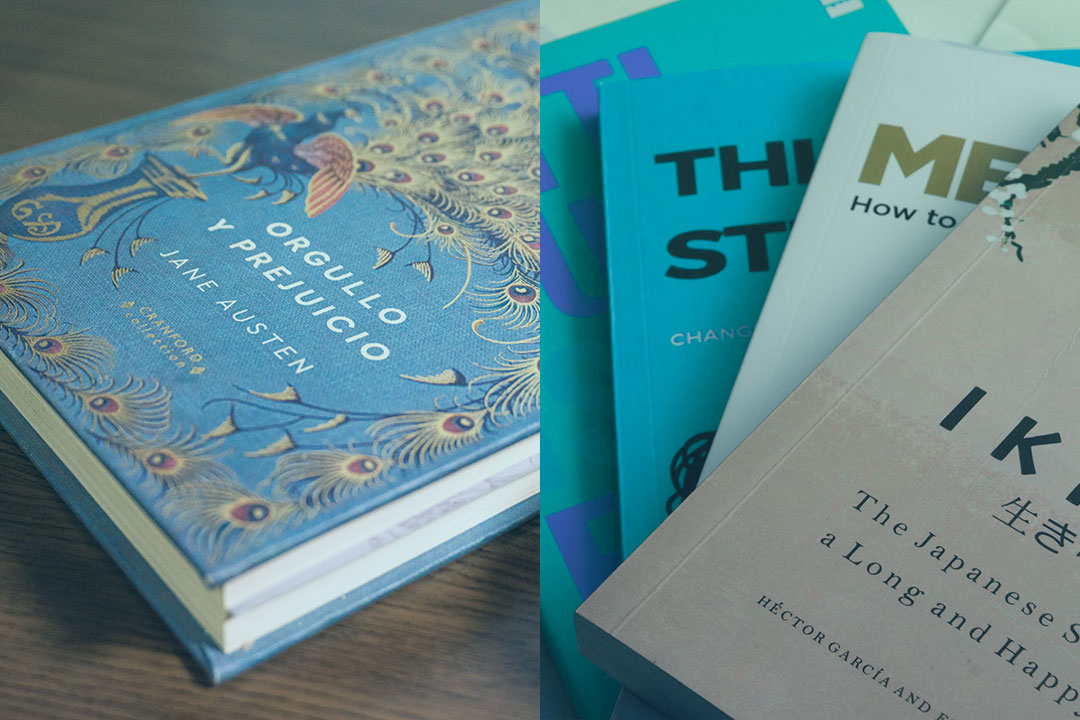
Choosing between hardcover and paperback book printing is one of the most important decisions when producing a book. The format you select affects cost, durability, presentation, and how readers perceive the quality of your publication.
Hardcover books offer premium presentation and long-term durability. Paperback books provide a cost-effective option for large printing runs and wide distribution.
If you are planning a publishing project, understanding the difference between these two formats will help you choose the best option for your goals.
This guide explains how hardcover and paperback book printing compare so you can decide which format suits your project, budget, and audience.
If you are planning to print books in Australia, you can explore professional book printing services here:
https://mintprinting.com.au/products/books/
Hardcover vs Paperback: The Quick Answer
Hardcover books use rigid protective covers and are designed for durability, premium presentation, and retail display.
Paperback books use flexible card covers and are designed for affordability, lighter shipping, and high-volume distribution.
Hardcover printing is best for premium publications and collector editions. Paperback printing is usually best for bulk book runs, self-publishing, and large distribution.
What Is Hardcover Book Printing?
Hardcover book printing refers to books with solid board covers that protect the interior pages. The pages are typically sewn or glued into a strong spine and then attached to the cover casing.
Because of this construction, hardcover books are stronger and more durable than paperback books.
Hardcover printing is commonly used for:
- Premium retail books
- Photography and art books
- Coffee table books
- Collector editions
- Corporate publications
- High-value educational books
- Wedding books
- Photo books
- Guest books
Many bookstore titles are released first as hardcover editions because the format signals higher value and creates a strong visual impact on shelves.
Hardcover books are also popular for authors who want their publication to feel substantial and professional.
What Is Paperback Book Printing?
Paperback or softcover books use flexible covers made from thick card stock rather than rigid boards.
These books can be produced using several binding methods depending on page count and purpose. Perfect binding is common for larger paperback books, while lower page count publications may use saddle stitching or similar methods.
This is why softcover books are widely used for items like manuals, brochures, and short-run publications where perfect binding may not be necessary.
This correction improves technical accuracy.
This format is widely used across the publishing industry because it is affordable, lightweight, and efficient to produce in large quantities.
Paperback book printing is commonly used for:
- Novels and fiction
- Self-published books
- Educational books
- Training manuals
- Business publications
- Marketing books
Because the production process is simpler, paperback printing is typically the most economical option for large book runs.
Hardcover vs Paperback: Key Differences
Understanding how the two formats compare helps determine which option is best for your book printing project.
Durability
Hardcover books are significantly more durable. The rigid cover protects the pages and spine, making them suitable for books that will be handled frequently or kept for long periods.
Paperback books are more flexible but generally wear faster over time.
Printing Cost
Paperback books are cheaper to print because they use fewer materials and simpler binding methods.
Hardcover books cost more to produce due to the thicker materials and additional manufacturing processes.
However, hardcover books can justify a higher retail price because of their premium appearance.
Appearance and Perceived Value
Hardcover books often feel more prestigious and professional. Many readers associate hardcover editions with higher quality.
Paperback books are more practical and accessible, but they typically have a lower perceived value compared with hardcover books.
Production and Handling
Hardcover books require additional production steps and materials, which can increase production time and cost. Softcover books are generally quicker to produce and are easier to handle for large distribution runs.
This keeps the comparison relevant to printing decisions.
Best Use Cases
Both hardcover and paperback books are commonly printed in bulk quantities. The difference is not the ability to produce large volumes, but the cost per unit and the purpose of the book.
Hardcover books are typically chosen when the goal is premium presentation or retail placement. Paperback books are usually selected when affordability and distribution scale are the priority.
This keeps the messaging aligned with bulk printing being the main opportunity.
Which Format Is Best for Bulk Book Printing?
For organisations printing hundreds or thousands of books, paperback is usually the most practical option.
Paperback printing keeps production costs lower and makes shipping more affordable. This is particularly important for businesses distributing manuals, training materials, or marketing books.
However, some large projects still choose hardcover printing when presentation matters more than cost.
Examples include:
- Retail-ready books for bookstores
- Corporate brand publications
- Premium photography books
- Collector editions
In many cases, publishers release both formats. A hardcover edition is launched first for premium buyers, followed by a paperback edition for wider distribution.
Hardcover Book Printing: When It Makes the Most Sense
Hardcover printing is often the best choice when the goal is to produce a high-quality publication that stands out.
This format is ideal for:
- Photography books
- Art collections
- Premium retail titles
- Corporate gifts
- Limited edition releases
Because hardcover books are more durable, they also perform well for reference books that readers may use repeatedly over many years.
Paperback Book Printing: When It Is the Better Option
Paperback printing is usually the best option when affordability and scale are the priority.
Large printing runs benefit from the lower production costs of paperback books. This makes them ideal for self-published authors, training organisations, and companies distributing educational materials.
Paperback books are also easier to transport and store, which is important when shipping thousands of copies across Australia.
If your project requires large quantities, paperback printing often delivers the best balance between cost and quality.
You can also explore other printed publication options such as booklets.
Can You Print Both Hardcover and Paperback Editions?
Yes. Many publishers release both formats of the same book.
A hardcover edition may be produced first to capture premium buyers and collectors. Later, a paperback version can be printed to reach a wider audience at a lower price.
This strategy allows authors and publishers to maximise both perceived value and distribution reach.
Choosing the Right Book Printing Partner
Whether you are printing hardcover or paperback books, the quality of the printer makes a significant difference.
We can help you choose the right paper weight, binding method, cover finish, and production approach for your project.
Mint Printing Australia provides book printing services across the country and works with authors, businesses, and organisations producing both small and large book runs.
Learn more about the company and how it supports clients nationwide.
For additional insights into publishing and book production standards, resources from the National Library of Australia can also be helpful.
Frequently Asked Questions
What is the difference between hardcover and paperback book printing?
Hardcover books use rigid protective covers and are designed for durability and premium presentation. Paperback books use flexible card covers and are cheaper to produce for large printing runs.
Are hardcover books more expensive to print?
Yes. Hardcover books cost more because they require thicker materials and a multi-factory finishing process.
Which book format lasts longer?
Hardcover books usually last longer because the rigid cover protects the spine and pages from damage.
Are paperback books better for bulk printing?
Yes. Paperback books are typically the most cost-effective option when printing large quantities.
Which format is better for self-publishing?
Paperback is usually the preferred option for self-publishing because it allows authors to print larger quantities at a lower cost.
Can the same book be printed as both hardcover and paperback?
Yes. Many publishers release hardcover and paperback editions to target different audiences and price points.
Are hardcover books better for retail bookstores?
Hardcover books often perform well in retail settings because they look premium and stand out on shelves.
Are paperback books cheaper to ship?
Yes. Paperback books weigh less than hardcover books, which usually reduces shipping costs.
What type of books are usually printed in hardcover?
Photography books, art books, coffee table books, wedding books, photo books, guest books, and collector editions are commonly printed in hardcover.
How do I choose the right book printing format?
The best format depends on your budget, audience, and printing quantity. Hardcover suits premium publications while paperback is usually best for large distribution.
Ready to Print Your Book?
If you are planning a hardcover or paperback book project, choosing the right printer can make a major difference in quality and cost.
Mint Printing Australia specialises in professional book printing for authors, businesses, and organisations producing books in small or large quantities.
To discuss your project and receive pricing for your next print run, request a quote.
Printing your book professionally ensures it looks great, lasts longer, and represents your work exactly the way you want.